Table of Contents
ToggleSmart home tech transforms ordinary houses into connected, automated living spaces. These systems let homeowners control lights, locks, thermostats, and appliances through smartphones or voice commands. The global smart home market reached $121 billion in 2024, and it continues to grow as more people discover the convenience of connected devices.
But what exactly makes a home “smart”? At its core, smart home tech connects everyday devices to the internet and to each other. This connection allows for remote control, automation, and even learning from user habits. Whether someone wants to save energy, improve security, or simply turn off the lights without leaving the couch, smart home technology offers practical solutions for modern living.
Key Takeaways
- Smart home tech connects everyday devices to the internet, enabling remote control, automation, and personalized experiences through voice commands or smartphone apps.
- The three core components of smart home technology are connected devices, communication protocols (Wi-Fi, Zigbee, Matter), and a central hub like Amazon Echo or Google Nest.
- Smart thermostats, lighting, and security systems offer the highest immediate impact—with thermostats alone saving homeowners an average of 8% on energy costs.
- Privacy concerns, security vulnerabilities, and device compatibility issues are important drawbacks to consider before investing in smart home tech.
- Start small by choosing one ecosystem (Alexa, Google Home, or HomeKit), adding a smart speaker hub, and expanding with high-impact devices like thermostats and smart lighting.
- Always prioritize security by using strong passwords, enabling two-factor authentication, and keeping device firmware updated.
How Smart Home Technology Works
Smart home tech relies on three main components: connected devices, a communication protocol, and a central hub or controller.
Connected devices are physical products with built-in sensors and internet connectivity. A smart thermostat, for example, contains temperature sensors and a Wi-Fi chip that sends data to the cloud. This data travels through communication protocols like Wi-Fi, Zigbee, Z-Wave, or the newer Matter standard.
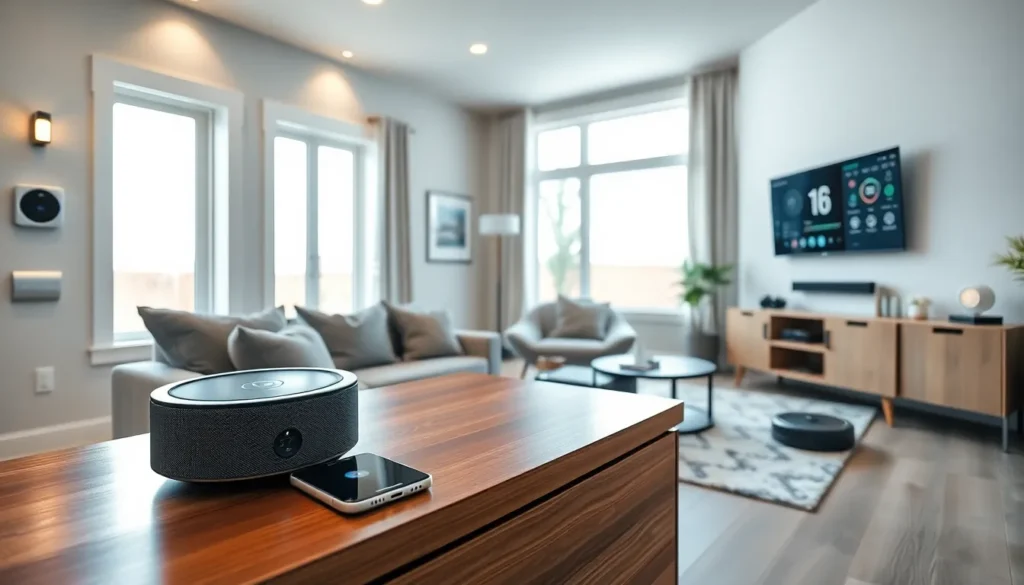
The hub acts as the brain of a smart home system. Popular options include Amazon Echo, Google Nest Hub, and Apple HomePod. These hubs receive commands from users through voice or app interfaces. They then translate those commands into signals that individual devices understand.
Automation makes smart home tech truly powerful. Users can create “routines” or “scenes” that trigger multiple actions at once. Saying “Good morning” might raise the blinds, start the coffee maker, and adjust the thermostat to 72 degrees. Smart home devices can also respond to triggers like time of day, location, or sensor readings.
Machine learning adds another layer. Many smart home devices learn from user behavior over time. A smart thermostat notices when residents typically leave for work and adjusts temperatures automatically. This learning capability helps smart home tech deliver personalized experiences without constant manual input.
Common Types of Smart Home Devices
Smart home tech spans nearly every category of household device. Here are the most popular options:
Smart Speakers and Displays
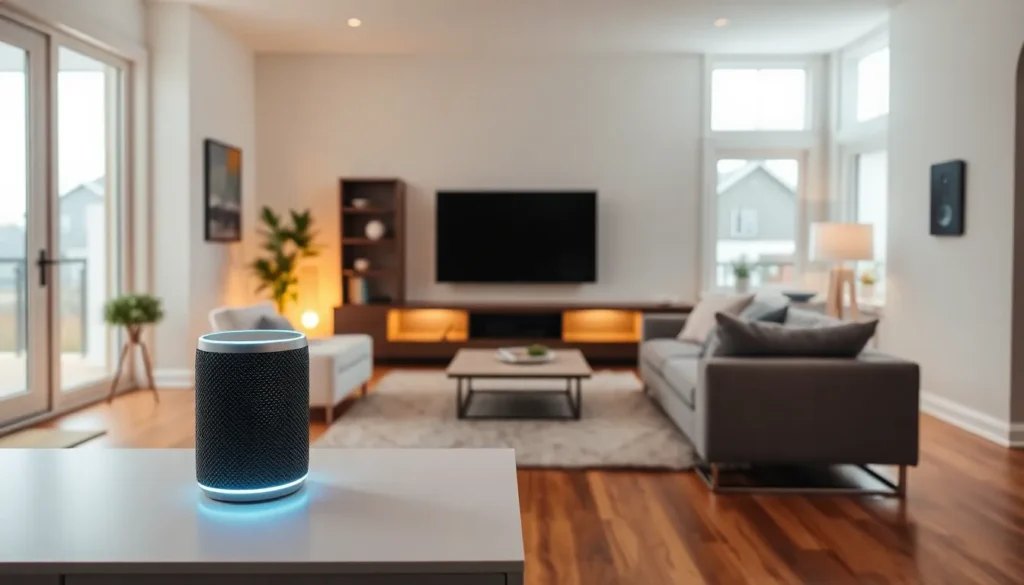
Amazon Echo, Google Nest, and Apple HomePod devices serve as voice-controlled assistants and smart home hubs. They play music, answer questions, and control other connected devices.
Smart Lighting
Philips Hue, LIFX, and Wyze offer bulbs that dim, change colors, and operate on schedules. Some systems detect when rooms are empty and turn lights off automatically.
Smart Thermostats
Nest, Ecobee, and Honeywell make thermostats that learn heating and cooling preferences. These devices can reduce energy bills by 10-15% according to manufacturer estimates.
Smart Security Systems
Ring, Arlo, and SimpliSafe provide cameras, doorbells, and motion sensors. Users receive alerts on their phones when someone approaches their door or when motion is detected.
Smart Locks
August, Schlage, and Yale produce locks that open with codes, fingerprints, or smartphone apps. Homeowners can grant temporary access to guests or service providers remotely.
Smart Appliances
Refrigerators, washers, ovens, and even vacuums now feature smart connectivity. Robot vacuums from iRobot and Roborock map homes and clean on schedule.
Smart Plugs and Switches
These affordable devices turn ordinary appliances into smart home tech. A $15 smart plug can make any lamp or fan controllable through voice commands or smartphone apps.
Benefits of Smart Home Technology
Smart home tech delivers practical advantages that improve daily life.
Convenience and Time Savings
Voice commands eliminate the need to walk across the house to adjust settings. Automations handle repetitive tasks like turning lights on at sunset or locking doors at bedtime. These small time savings add up.
Energy Efficiency
Smart thermostats, lighting systems, and plugs reduce energy waste. The EPA estimates that smart thermostats save homeowners an average of 8% on heating and cooling costs. Smart home tech can also identify energy-hungry appliances through power monitoring.
Enhanced Security
Cameras, motion sensors, and smart locks provide real-time monitoring and alerts. Homeowners can check their property from anywhere and receive notifications about unusual activity. Some insurance companies offer discounts for homes with smart security systems.
Accessibility
Smart home tech helps people with mobility challenges or disabilities. Voice control eliminates the need to physically reach switches or buttons. Automated routines reduce the number of daily tasks that require manual effort.
Peace of Mind
Did you leave the garage door open? Smart home tech provides answers through app notifications and remote control. Water leak sensors can alert homeowners to problems before major damage occurs.
Potential Drawbacks to Consider
Smart home tech isn’t perfect. Buyers should understand these limitations before investing.
Privacy Concerns
Connected devices collect data about daily habits, schedules, and preferences. This information flows to manufacturers and sometimes third parties. Voice assistants, in particular, raise questions about always-listening microphones in the home.
Security Vulnerabilities
Any internet-connected device creates a potential entry point for hackers. Weak passwords and outdated firmware can expose smart home systems to attacks. Users must maintain strong security practices.
Compatibility Issues
Not all smart home devices work together. Products from different manufacturers may use incompatible protocols. The Matter standard aims to solve this problem, but adoption remains incomplete.
Internet Dependency
Most smart home tech requires a stable internet connection. During outages, some devices lose functionality entirely. Local processing options exist but aren’t universal.
Cost
Building a complete smart home system requires significant investment. Individual devices range from $15 to several hundred dollars, and costs multiply across an entire home. But, prices continue to drop as the market matures.
Learning Curve
Setting up and configuring smart home tech takes time. Some users find the process frustrating, especially when troubleshooting connectivity issues.
Getting Started With Your Smart Home
Building a smart home doesn’t require a massive upfront investment. Start small and expand over time.
Choose an Ecosystem
Pick a platform: Amazon Alexa, Google Home, or Apple HomeKit. This decision affects which devices work together seamlessly. Consider existing phone and tablet preferences, iPhone users may prefer HomeKit, while Android users might lean toward Google.
Start With a Hub
A smart speaker serves as both a controller and a gateway to voice commands. Amazon Echo Dot and Google Nest Mini cost under $50 and provide an affordable entry point.
Add High-Impact Devices First
Smart thermostats and lighting offer immediate, noticeable benefits. A thermostat pays for itself through energy savings within a year or two. Smart bulbs transform the ambiance of living spaces with minimal effort.
Prioritize Security
Use strong, unique passwords for every smart home device. Enable two-factor authentication where available. Keep firmware updated to patch vulnerabilities. Consider a separate Wi-Fi network for smart home tech.
Plan for Expansion
Think about future additions when making initial purchases. Buying within a single ecosystem simplifies integration as the system grows. Research compatibility before every new purchase.