Table of Contents
ToggleTop smart home tech has transformed how people interact with their living spaces. Modern homes now feature connected devices that automate daily tasks, improve energy efficiency, and enhance security. From voice-controlled assistants to intelligent thermostats, these technologies offer convenience that was once reserved for science fiction.
The smart home market continues to grow as devices become more affordable and easier to install. Homeowners no longer need professional help to set up most systems. A smartphone and a Wi-Fi connection are often all that’s required. This guide covers the best smart home tech available today, organized by category to help readers make informed purchasing decisions.
Key Takeaways
- Top smart home tech includes voice assistants, smart lighting, thermostats, security devices, and entertainment systems that automate daily tasks and improve energy efficiency.
- Smart speakers from Amazon, Google, and Apple serve as the command center for controlling other connected devices throughout your home.
- Smart thermostats like Nest and Ecobee can reduce energy bills by 10-15% by learning your schedule and adjusting temperatures automatically.
- Video doorbells, smart locks, and security cameras let you monitor and protect your property from anywhere using smartphone apps.
- Sticking with one voice assistant ecosystem across all your smart home tech products helps avoid compatibility issues and ensures seamless integration.
- Budget-friendly options from brands like WYZE and TP-Link make smart home tech accessible without requiring professional installation.
Smart Speakers and Voice Assistants
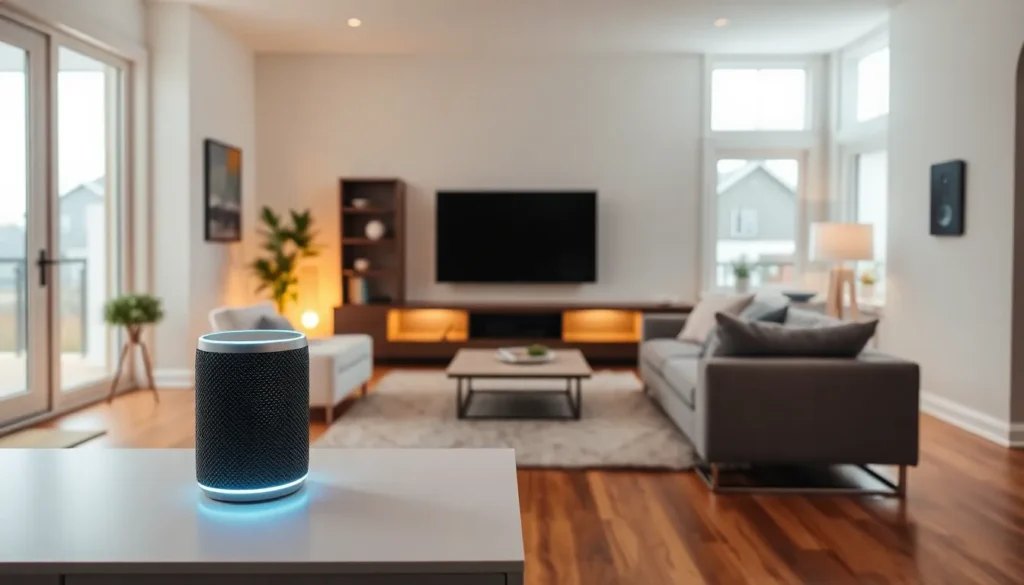
Smart speakers serve as the command center for most smart home setups. These devices respond to voice commands and control other connected products throughout the house. Amazon Echo, Google Nest, and Apple HomePod represent the leading options in this category.
Amazon’s Alexa platform powers the Echo line of speakers. Users can ask Alexa to play music, set timers, check weather forecasts, and control compatible devices. The Echo Dot offers an affordable entry point, while the Echo Studio delivers premium audio quality for music enthusiasts.
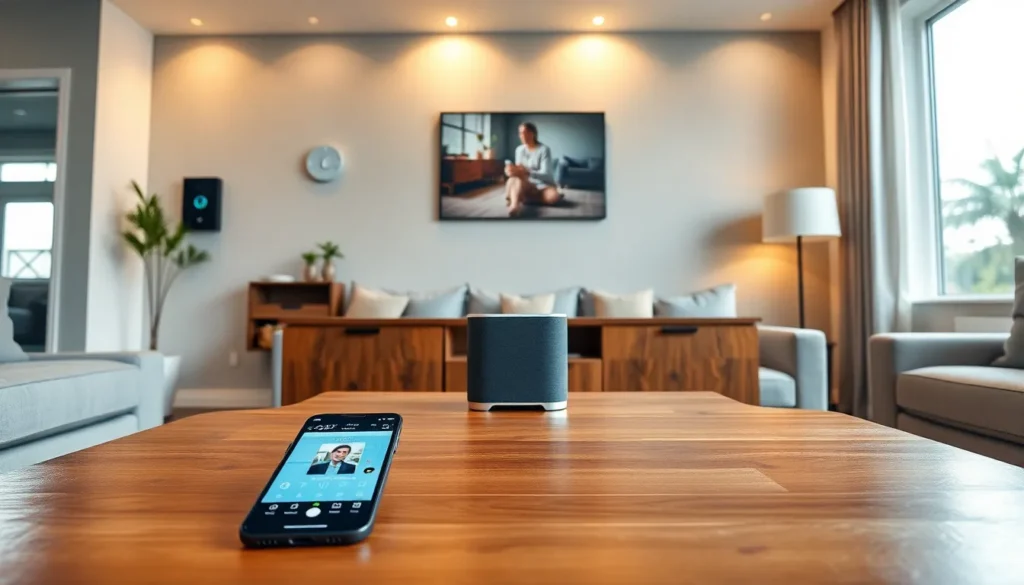
Google Nest speakers use Google Assistant, which excels at answering questions and integrating with Google services. The Nest Hub adds a touchscreen display, making it useful for video calls and viewing security camera feeds. Google Assistant also works well with Android smartphones.
Apple’s HomePod mini appeals to iPhone users who want tight integration with their existing Apple ecosystem. Siri handles voice commands, and the speaker supports Apple Music streaming. The HomePod mini also functions as a Thread border router, which improves connectivity for other smart home tech devices.
When choosing a smart speaker, consider which ecosystem already exists in the home. Mixing platforms can create compatibility issues. Most households benefit from sticking with one voice assistant across all their smart home tech products.
Smart Lighting Systems
Smart lighting ranks among the most popular smart home tech upgrades. These systems let users control lights through apps, voice commands, or automated schedules. The result is improved convenience and potential energy savings.
Philips Hue remains the industry leader for smart bulbs. The Hue ecosystem includes bulbs, light strips, and outdoor fixtures. Users can adjust brightness, set color temperatures, and create scenes that change multiple lights simultaneously. The system requires a hub, which connects to the home router.
WYZE and TP-Link Kasa offer budget-friendly alternatives that don’t require hubs. These bulbs connect directly to Wi-Fi and work with major voice assistants. They sacrifice some advanced features but cost a fraction of premium options.
Smart switches provide another approach to lighting control. Lutron Caseta switches replace existing wall switches and control any connected fixture. This solution works well for homes with specialty bulbs or fixtures that don’t accept smart bulbs.
Motion sensors add automation to smart lighting setups. Lights can turn on when someone enters a room and turn off after a period of inactivity. This feature proves especially useful in hallways, bathrooms, and outdoor areas.
Smart Thermostats and Climate Control
Smart thermostats represent some of the most practical smart home tech investments. These devices learn household schedules and adjust temperatures automatically. Most users see reduced energy bills within the first year of use.
The Nest Learning Thermostat pioneered this category. It tracks when residents are home and creates a schedule based on observed patterns. The device also includes geofencing, which adjusts temperature when everyone leaves the house. Nest claims average savings of 10-12% on heating and 15% on cooling costs.
Ecobee thermostats include remote sensors that monitor temperature in multiple rooms. This feature solves the common problem of uneven heating and cooling. The sensors help maintain consistent comfort throughout the home rather than just near the thermostat.
Honeywell’s Home T-series offers a more traditional interface while still providing app control and scheduling features. These thermostats suit users who prefer physical buttons alongside smart functionality.
Smart vents and fans extend climate control beyond the thermostat. Flair Smart Vents redirect airflow to specific rooms, while smart ceiling fans adjust speed based on temperature readings. These additions help fine-tune comfort without overworking the HVAC system.
Installation varies by home setup. Most smart thermostats work with common HVAC systems, but homes with older wiring may need professional installation.
Smart Security Devices
Security devices form a critical category of smart home tech. Modern systems allow homeowners to monitor their property from anywhere using smartphone apps. Professional monitoring services remain available, but many users prefer self-monitoring options.
Video doorbells have become standard home additions. Ring and Google Nest Doorbell capture video of visitors and send alerts to phones. Users can see and speak with people at their door without opening it. These devices also record package deliveries and deter porch thieves.
Indoor and outdoor cameras provide broader coverage. Wyze Cam offers impressive features at budget prices, while Arlo cameras deliver higher video quality and longer battery life for wireless models. Cloud storage subscriptions are typically required for video history access.
Smart locks eliminate the need for physical keys. August and Schlage make locks that integrate with other smart home tech systems. Users can unlock doors remotely, grant temporary access to guests, and receive notifications when doors are locked or unlocked.
Comprehensive security systems from SimpliSafe and Ring Alarm bundle multiple sensors together. These packages include door and window sensors, motion detectors, and base stations. Professional monitoring costs extra but provides 24/7 response to alerts.
Smart smoke and carbon monoxide detectors round out home safety. Nest Protect identifies the type and location of danger, speaking alerts rather than just beeping. It also tests itself automatically and sends phone notifications when batteries run low.
Smart Entertainment Systems
Entertainment represents a fun application of smart home tech. Streaming devices, smart TVs, and connected audio systems create immersive experiences with minimal effort.
Streaming devices like Roku, Amazon Fire TV, and Apple TV connect standard televisions to streaming services. These devices support voice search and integrate with whole-home smart systems. The latest versions support 4K resolution and HDR content.
Smart TVs from Samsung, LG, and Sony include streaming capabilities without external devices. Many also work as smart home control hubs, displaying camera feeds and controlling lights through their interfaces.
Multi-room audio systems spread music throughout the home. Sonos leads this category with speakers that sync perfectly across rooms. Users can play the same song everywhere or different music in each space. Sonos products also work with most streaming services and voice assistants.
Universal remotes and control systems simplify entertainment setups. Logitech Harmony remotes (while discontinued, still available) control TVs, streaming devices, and gaming consoles from one interface. Smart home platforms can also automate entertainment, for example, dimming lights when a movie starts.
Gaming consoles double as smart home tech entertainment hubs. PlayStation and Xbox support streaming apps and voice commands. They connect to home networks and can be controlled through smart home routines.