Table of Contents
ToggleSmart home tech tools have transformed how people interact with their living spaces. These devices automate everyday tasks, improve energy efficiency, and add convenience to daily routines. From voice-controlled assistants to intelligent thermostats, smart home technology continues to grow in popularity across households worldwide.
The global smart home market is expected to reach $338 billion by 2030, according to recent industry projections. This growth reflects a simple truth: homeowners want more control over their environments. They want lights that respond to voice commands, locks they can manage remotely, and systems that learn their preferences over time.
This guide explores the essential smart home tech tools available today. It covers what makes a home “smart,” which devices deliver the best value, and how to start building a connected living space. Whether someone is new to smart home technology or looking to expand an existing setup, this article provides practical insights to make informed decisions.
Key Takeaways
- Smart home tech tools automate everyday tasks, improve energy efficiency, and provide convenient remote control of household functions.
- Choose one ecosystem (Amazon Alexa, Google Home, or Apple HomeKit) early to avoid compatibility issues as you expand your setup.
- Start with high-impact, affordable devices like smart bulbs and smart plugs before adding voice assistants and more advanced tools.
- Smart thermostats can reduce heating and cooling costs by 10-15% by learning household patterns and optimizing energy use.
- Address common challenges by upgrading to mesh Wi-Fi, using strong passwords, and checking for Matter certification to ensure device compatibility.
- Watch for major sales events like Prime Day and Black Friday, where smart home tech tools often see discounts of 30-50%.
What Makes a Home Smart
A smart home uses internet-connected devices to automate and control household functions. These smart home tech tools communicate through Wi-Fi, Bluetooth, Zigbee, or Z-Wave protocols. The key difference between traditional appliances and smart devices is connectivity, smart products can be monitored and controlled remotely through apps or voice commands.
Three core elements define a smart home:
- Connectivity: Devices connect to a central hub or directly to a home network
- Automation: Systems perform tasks automatically based on schedules, triggers, or learned behaviors
- Remote Control: Homeowners manage devices from anywhere using smartphones or tablets
Smart home tech tools range from simple plug-in outlets to complex whole-house systems. A single smart bulb counts as entry-level smart home technology. A fully integrated setup might include smart locks, security cameras, automated blinds, and connected appliances all working together.
The “smart” aspect comes from how these devices respond to input. A smart thermostat doesn’t just follow a schedule, it learns when residents are home, adjusts to weather changes, and optimizes energy use automatically. Smart security systems can distinguish between a delivery person and an intruder. This intelligence separates smart home tech tools from basic remote-controlled gadgets.
Top Smart Home Devices Worth Considering
Choosing the right smart home tech tools depends on priorities, budget, and existing infrastructure. Some devices work independently while others perform best as part of a larger ecosystem.
Voice Assistants and Smart Speakers
Voice assistants serve as the central hub for many smart home setups. Amazon Echo devices use Alexa, Google Nest products feature Google Assistant, and Apple HomePod runs Siri. These smart speakers do more than play music, they control other smart home tech tools through voice commands.
A voice assistant can:
- Turn lights on and off
- Adjust thermostat settings
- Lock doors and arm security systems
- Play music, podcasts, and audiobooks
- Set timers and reminders
- Answer questions and provide weather updates
Prices range from $30 for basic models to $300 for premium speakers with better audio quality. Most households start with one device in a central location, then add more throughout the home as needed.
Smart Lighting and Climate Control
Smart lighting systems offer the easiest entry point into smart home tech tools. Brands like Philips Hue, LIFX, and Wyze sell bulbs that connect directly to Wi-Fi or through a dedicated hub. Users can adjust brightness, change colors, and create lighting schedules through smartphone apps.
Smart lighting benefits include:
- Energy savings through automated schedules
- Security features like vacation modes that simulate occupancy
- Mood settings with adjustable color temperatures
- Integration with other smart home devices
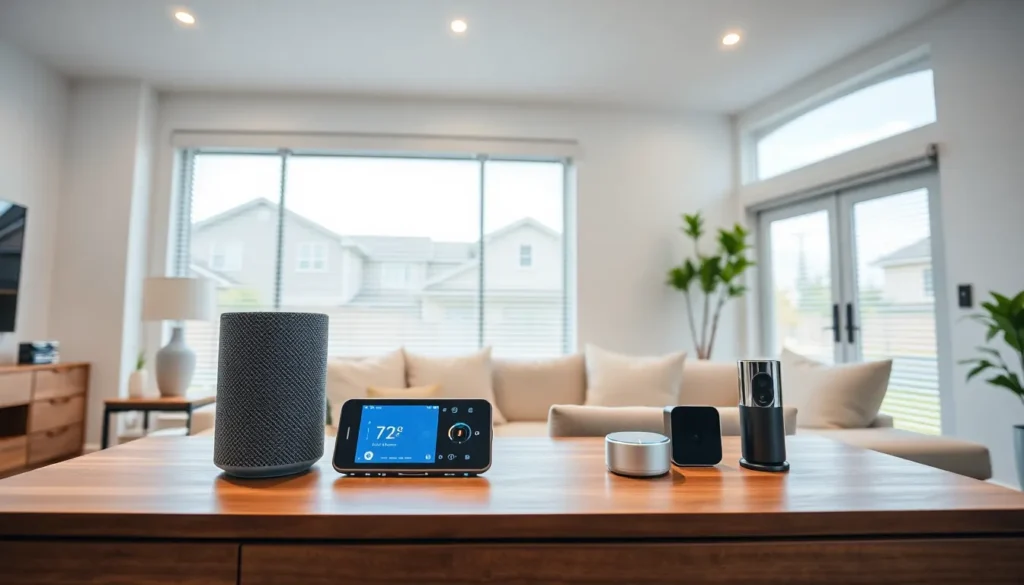
Smart thermostats represent another high-value category. Products like the Nest Learning Thermostat and Ecobee SmartThermostat can reduce heating and cooling costs by 10-15% according to manufacturer data. These devices learn household patterns, detect when rooms are occupied, and adjust temperatures accordingly.
Climate control extends beyond thermostats. Smart ceiling fans, portable AC units, and even smart vents work together to optimize comfort and energy efficiency. These smart home tech tools communicate with each other to maintain ideal conditions throughout the house.
How to Get Started With Smart Home Technology
Starting a smart home doesn’t require a complete overhaul. Most experts recommend beginning with one or two smart home tech tools and expanding gradually.
Step 1: Choose an Ecosystem
The three major ecosystems are Amazon Alexa, Google Home, and Apple HomeKit. Each has strengths:
- Amazon Alexa: Widest device compatibility, most affordable entry point
- Google Home: Strong integration with Google services, excellent voice recognition
- Apple HomeKit: Best privacy protections, seamless iPhone integration
Picking one ecosystem early prevents compatibility headaches later. While many devices work across platforms, some features only activate within specific ecosystems.
Step 2: Start With High-Impact Devices
Smart bulbs and smart plugs offer immediate results with minimal investment. A smart plug turns any lamp or appliance into a connected device for under $15. Smart bulbs cost $10-50 each depending on features.
Step 3: Add a Voice Assistant
Once basic smart home tech tools are in place, a voice assistant ties everything together. Voice control eliminates the need to open apps for every adjustment.
Step 4: Expand Based on Needs
After mastering basics, homeowners can add smart locks, video doorbells, security cameras, or automated blinds. Each addition should solve a specific problem or add measurable convenience.
Budget-conscious buyers should watch for sales during Prime Day, Black Friday, and holiday seasons. Smart home tech tools often see discounts of 30-50% during these events.
Common Challenges and How to Overcome Them
Smart home tech tools come with potential frustrations. Understanding common issues helps homeowners avoid problems before they occur.
Wi-Fi Reliability
Smart devices depend on stable internet connections. A home with 15-20 connected devices can overwhelm a basic router. Solutions include:
- Upgrading to a mesh Wi-Fi system
- Using devices that connect through hubs rather than directly to Wi-Fi
- Positioning routers centrally in the home
Compatibility Issues
Not all smart home tech tools work together. Before purchasing, check that new devices support the existing ecosystem. The Matter standard, launched in 2022, aims to solve this by creating universal compatibility across brands. Devices with Matter certification work with Alexa, Google Home, and Apple HomeKit simultaneously.
Security Concerns
Connected devices create potential entry points for hackers. Protect smart home tech tools by:
- Using strong, unique passwords for each device
- Enabling two-factor authentication when available
- Keeping firmware updated
- Creating a separate network for IoT devices
Setup Complexity
Some devices require technical knowledge to install properly. Smart thermostats may need professional installation if existing wiring doesn’t include a C-wire. Video doorbells might require transformer upgrades. Reading reviews and installation requirements before purchasing prevents surprises.
Privacy Considerations
Voice assistants listen for wake words constantly. Smart cameras record video that may be stored in the cloud. Homeowners concerned about privacy should review data policies, disable features they don’t need, and consider local storage options for cameras.