Table of Contents
ToggleSmart home tech for beginners doesn’t have to feel overwhelming. In fact, turning a regular home into a connected one is simpler than most people expect. Smart devices let homeowners control lighting, security, entertainment, and more through voice commands or smartphone apps. The technology has become affordable, accessible, and surprisingly easy to set up. This guide breaks down everything a beginner needs to know, from choosing the right devices to avoiding common pitfalls. Whether someone wants to save energy, boost convenience, or just impress guests, smart home technology offers practical benefits without requiring an engineering degree.
Key Takeaways
- Smart home tech for beginners starts best with affordable devices like smart speakers, bulbs, and plugs that deliver immediate value.
- Choose one ecosystem (Alexa, Google, or Apple) before buying devices to ensure compatibility and avoid communication issues.
- Solid WiFi coverage is essential—consider upgrading to a mesh network if your home has dead zones.
- Start small with one or two devices, then gradually expand as you learn each product’s features and build confidence.
- Create simple automations first, like lights turning on at sunset, before attempting complex multi-step routines.
- Prioritize security by using strong passwords, enabling two-factor authentication, and keeping device firmware updated.
What Is Smart Home Technology?
Smart home technology refers to devices that connect to the internet and can be controlled remotely. These gadgets communicate with each other through WiFi, Bluetooth, or dedicated protocols like Zigbee and Z-Wave. The result? Homeowners can adjust thermostats, lock doors, dim lights, and monitor security cameras from anywhere.
At its core, smart home tech uses three main components:
- Smart devices: Physical products like bulbs, plugs, cameras, and speakers
- A hub or controller: Sometimes a dedicated device, sometimes built into a smart speaker
- An app or voice assistant: The interface users interact with daily
Modern smart home systems work together through ecosystems. The most popular include Amazon Alexa, Google Home, and Apple HomeKit. Each ecosystem has strengths, Alexa offers the widest device compatibility, Google excels at answering questions, and Apple prioritizes privacy.
Smart home tech for beginners typically starts small. There’s no need to wire an entire house on day one. Most people begin with one or two devices and expand over time. The beauty of these systems lies in their flexibility. They grow alongside a homeowner’s comfort level and budget.
Essential Smart Home Devices to Start With
Choosing the right first devices makes all the difference. Some smart gadgets deliver instant value, while others require more setup or investment. Here are the best entry points for anyone exploring smart home tech.
Smart Speakers and Voice Assistants
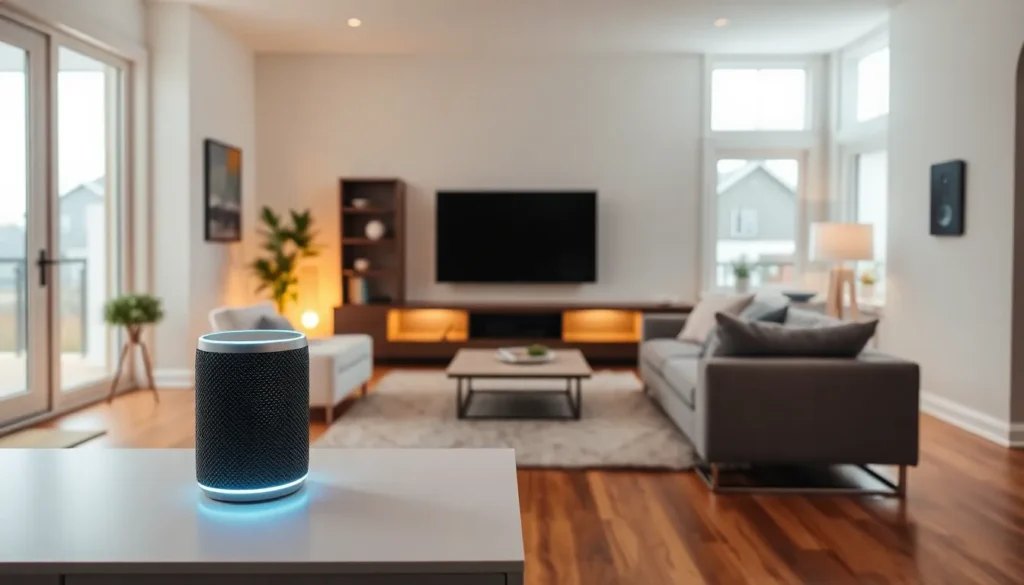
A smart speaker serves as the command center for most smart homes. Devices like the Amazon Echo, Google Nest, and Apple HomePod respond to voice commands and control other connected gadgets.
Why start here? Smart speakers do several things well:
- Play music and podcasts on demand
- Answer questions and set timers
- Control other smart devices with simple voice commands
- Make hands-free calls and announcements
For beginners, the Amazon Echo Dot or Google Nest Mini offer excellent value under $50. They’re small, affordable, and compatible with thousands of smart devices. Once someone picks an ecosystem, they’ll want to stick with it, mixing Alexa and Google devices in the same home can create confusion.
Smart speakers also introduce users to the voice-first lifestyle. Instead of reaching for a phone, they simply say “turn off the lights” or “set the thermostat to 72.” It feels futuristic at first. Then it becomes second nature.
Smart Lighting and Plugs
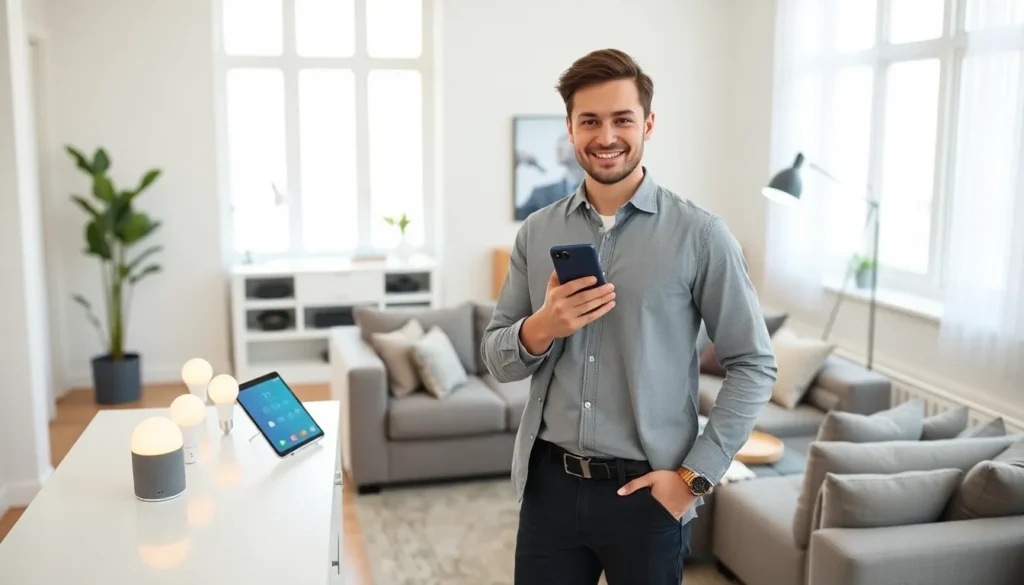
Smart lighting ranks among the most popular entry points into home automation. Smart bulbs from brands like Philips Hue, LIFX, and Wyze screw into existing fixtures and connect to WiFi. Users can then control brightness, color, and schedules through an app or voice commands.
Smart plugs offer even simpler setup. They plug into standard outlets and turn any device into a smart device. A lamp, fan, or coffee maker becomes controllable from anywhere. Smart plugs typically cost between $10 and $25, making them low-risk purchases for curious beginners.
Practical uses for smart lighting and plugs include:
- Setting lights to turn on at sunset automatically
- Controlling holiday decorations from the couch
- Simulating occupancy while traveling
- Scheduling coffee makers to start before the alarm goes off
Smart home tech for beginners should deliver quick wins. Smart lights and plugs do exactly that, they’re cheap, easy, and immediately useful.
How to Set Up Your First Smart Home System
Setting up smart devices has become remarkably straightforward. Most products guide users through the process with step-by-step app instructions. Still, a little planning goes a long way.
Step 1: Choose an ecosystem. Before buying anything, decide between Alexa, Google, or Apple. Check device compatibility lists and consider which voice assistant feels most natural. This decision shapes future purchases.
Step 2: Ensure solid WiFi coverage. Smart devices rely on internet connectivity. A home with dead zones will frustrate users quickly. If WiFi struggles in certain rooms, consider a mesh network system before adding smart gadgets.
Step 3: Start with one device. Download the companion app, create an account, and follow setup instructions. Most smart devices pair within minutes. Test voice commands and app controls before moving on.
Step 4: Add devices gradually. Resist the urge to buy everything at once. Add one or two devices per month. This approach allows time to learn each product’s features and quirks.
Step 5: Create automations and routines. Once several devices work together, users can build routines. A “Good Morning” routine might turn on lights, read the weather, and start the coffee maker, all with one command. These automations showcase the true power of smart home tech.
Patience matters during setup. Firmware updates, app glitches, and connectivity hiccups happen. They’re usually minor and temporary. Most smart home tech for beginners becomes reliable once initial configuration is complete.
Common Beginner Mistakes to Avoid
Even simple technology comes with learning curves. New smart home users often make preventable errors that lead to frustration. Here’s what to watch out for.
Mixing ecosystems randomly. Buying an Alexa speaker, then a Google-only thermostat, then Apple HomeKit bulbs creates headaches. Devices won’t communicate properly. Stick to one primary ecosystem or verify cross-compatibility before purchasing.
Ignoring WiFi limitations. Smart homes demand reliable internet. Cheap routers struggle with multiple connected devices. Upgrading to a modern WiFi 6 router or mesh system prevents connection drops and slow response times.
Overcomplicating automations early. Complex routines sound fun but often break. Start simple. A motion sensor that turns on hallway lights works better than an elaborate 10-step automation that fails half the time.
Forgetting about security. Smart devices connect to home networks. Weak passwords and outdated firmware create vulnerabilities. Use strong, unique passwords for smart home accounts. Enable two-factor authentication when available. Keep devices updated.
Buying based on price alone. The cheapest smart device isn’t always the best value. Off-brand products sometimes lack app support, security updates, or ecosystem compatibility. Established brands like Amazon, Google, Philips, and Ring offer better long-term reliability.
Smart home tech for beginners rewards patience and planning. Avoiding these mistakes means fewer frustrations and faster enjoyment of a connected home.