Table of Contents
ToggleSmart home tech examples range from voice assistants to automated lighting systems, and they’re transforming how people live. The connected home market has exploded in recent years, with millions of households adopting devices that offer convenience, security, and energy savings.
Whether someone wants to control their thermostat from the couch or check their front door camera while traveling, smart home technology makes it possible. This guide covers the most popular smart home tech examples available today, breaking down each category so readers can decide which devices fit their lifestyle and budget.
Key Takeaways
- Smart home tech examples include voice assistants, smart lighting, thermostats, security devices, and connected appliances that enhance convenience and efficiency.
- Voice assistants like Amazon Echo and Google Nest serve as central control hubs, managing lights, locks, and thermostats with simple voice commands.
- Smart thermostats can save homeowners 10-15% on heating and cooling bills by learning household patterns and adjusting temperatures automatically.
- Security-focused smart home tech examples such as video doorbells, smart locks, and cameras provide remote monitoring and control from anywhere.
- Smart lighting systems offer energy savings up to 40% when dimmed and can simulate occupancy to deter intruders while you’re away.
- Robot vacuums, smart refrigerators, and connected entertainment systems extend automation into daily household tasks and entertainment.
Voice Assistants and Smart Speakers
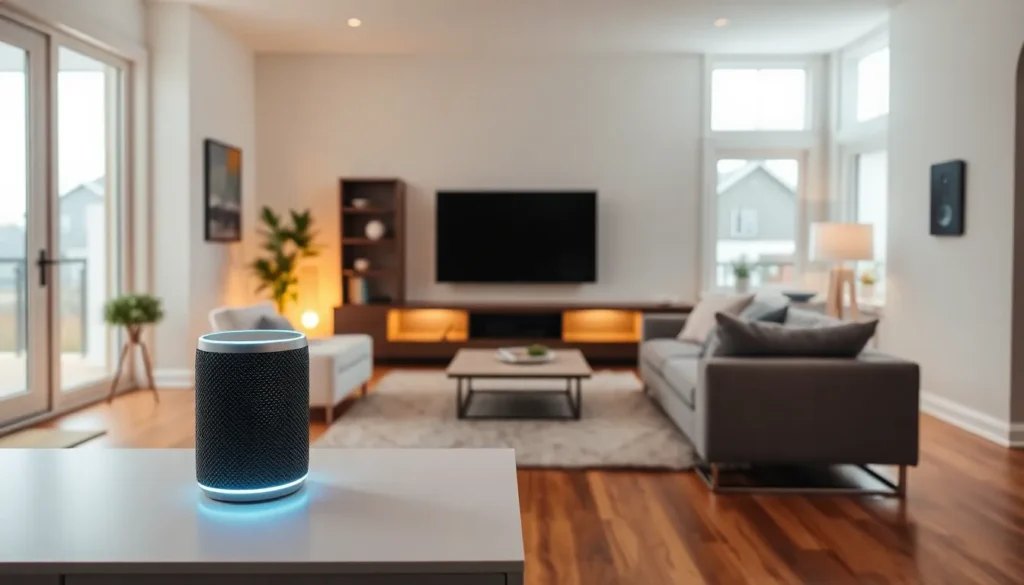
Voice assistants serve as the central hub for many smart home setups. Devices like Amazon Echo, Google Nest, and Apple HomePod respond to spoken commands and control other connected devices throughout the home.
These smart home tech examples do more than play music. They can set timers, answer questions, make calls, and manage shopping lists. More importantly, they act as a control center for other smart devices. A single voice command can dim lights, lock doors, or adjust the thermostat.
Amazon’s Alexa leads the market with over 100,000 compatible skills and devices. Google Assistant offers strong integration with Android phones and Google services. Apple’s Siri through HomePod appeals to users already invested in the Apple ecosystem.
Smart speakers range from budget options under $50 to premium models with high-fidelity audio. The Echo Dot and Google Nest Mini offer affordable entry points for those new to smart home tech. Premium options like the Sonos Era 100 combine excellent sound quality with voice assistant capabilities.
Placement matters for these devices. Most households benefit from having at least one smart speaker per floor to ensure voice commands register clearly from any room.
Smart Lighting Systems
Smart lighting represents one of the most accessible smart home tech examples for beginners. These systems let users control lights remotely, set schedules, and adjust brightness or color through apps or voice commands.
Philips Hue remains the most popular smart lighting brand. Its bulbs connect through a dedicated hub and offer millions of color options. LIFX bulbs skip the hub requirement and connect directly to Wi-Fi, making setup simpler. Wyze bulbs provide budget-friendly options starting around $8 per bulb.
Beyond individual bulbs, smart switches replace traditional wall switches and work with existing light fixtures. Lutron Caseta and Leviton Decora offer reliable options that don’t require special bulbs.
Smart lighting delivers practical benefits beyond convenience. Motion-activated lights improve home security by illuminating walkways when someone approaches. Scheduled lighting can simulate occupancy while homeowners travel, deterring potential intruders.
Energy savings add up over time. Dimming lights to 50% brightness can reduce energy consumption by 40%. Smart bulbs also last significantly longer than traditional incandescent options, up to 25,000 hours compared to roughly 1,000 hours.
Smart Thermostats and Climate Control
Smart thermostats stand out among smart home tech examples for their potential return on investment. The Nest Learning Thermostat, ecobee, and Honeywell Home T9 lead this category.
These devices learn household patterns over time. They adjust temperatures based on when residents typically leave for work, return home, or go to sleep. This automatic optimization reduces energy waste without requiring manual intervention.
The Nest Learning Thermostat claims to save users an average of 10-12% on heating bills and 15% on cooling bills. That translates to roughly $131-$145 annually for the average American household.
Geofencing features use smartphone locations to detect when residents leave or approach home. The thermostat adjusts accordingly, ensuring comfortable temperatures upon arrival without heating or cooling an empty house.
Room sensors address a common HVAC problem: uneven temperatures throughout the home. Ecobee’s SmartSensors and the Honeywell T9’s room sensors measure temperatures in specific areas, allowing the system to prioritize comfort where it matters most.
Installation typically takes 30 minutes for those comfortable with basic electrical work. Most smart thermostats provide step-by-step app guidance and compatibility checkers to ensure they’ll work with existing HVAC systems.
Home Security and Surveillance Devices
Security devices represent some of the most impactful smart home tech examples. Video doorbells, security cameras, and smart locks give homeowners visibility and control over their property from anywhere.
Ring and Nest dominate the video doorbell market. These devices capture video of anyone who approaches the front door and send instant notifications to smartphones. Two-way audio allows homeowners to speak with visitors or delivery drivers remotely.
Indoor and outdoor security cameras have become increasingly affordable. Wyze cameras start under $30 and offer 1080p video with night vision. Premium options like Arlo Pro 4 provide 2K resolution and wire-free installation.
Smart locks eliminate the need for physical keys. August, Schlage, and Yale manufacture locks that open via smartphone, keypad, or voice command. Many integrate with other smart home tech examples, automatically locking doors when residents leave or unlocking when they return home.
Complete security systems from Ring Alarm, SimpliSafe, and Abode combine multiple sensors with professional monitoring options. Entry sensors detect when doors or windows open. Motion detectors identify movement inside the home. These systems can alert homeowners and monitoring centers simultaneously.
Privacy considerations matter with these devices. Users should review data storage policies and enable two-factor authentication on all security accounts.
Smart Appliances and Entertainment Systems
Smart appliances extend automation into kitchens, laundry rooms, and living spaces. These smart home tech examples handle everyday tasks more efficiently and integrate with broader connected ecosystems.
Smart refrigerators from Samsung and LG feature interior cameras, touchscreens, and inventory tracking. Users can check what’s inside their fridge from the grocery store. Some models suggest recipes based on available ingredients.
Robot vacuums like the iRobot Roomba and Roborock have become household staples. Modern models map home layouts, avoid obstacles, and empty their own dustbins. They can be scheduled through apps or activated via voice commands.
Smart washers and dryers notify users when cycles complete. Some download new wash cycles for specific fabric types. Samsung’s AI-powered washers automatically select optimal settings based on load weight and fabric detection.
Entertainment systems benefit significantly from smart technology. Smart TVs from Samsung, LG, and Sony include built-in streaming apps and voice control. Streaming devices like Roku, Apple TV, and Amazon Fire TV add smart features to older televisions.
Multi-room audio systems from Sonos and Amazon allow synchronized music playback throughout the home. Users can play different songs in different rooms or group speakers for whole-home audio.