Table of Contents
ToggleSmart home tech has changed how people interact with their living spaces. Devices now communicate with each other, respond to voice commands, and learn daily routines. This shift toward connected living offers convenience, security, and energy savings that seemed like science fiction just a decade ago.
The global smart home market continues to grow rapidly. More households adopt these technologies every year, driven by falling prices and improved functionality. Whether someone wants to control lighting from a smartphone or monitor their home while traveling, smart home tech provides practical solutions.
This guide covers the essentials of smart home technology. It explains what these systems do, highlights popular device categories, and outlines the benefits of a connected home. The guide also addresses important factors to consider before making a purchase.
Key Takeaways
- Smart home tech connects devices through platforms like Alexa, Google Home, or Apple HomeKit to automate tasks and control your home remotely.
- Popular smart home devices include voice assistants, smart thermostats, security cameras, smart locks, and connected lighting systems.
- Smart thermostats can reduce heating and cooling costs by 10-15% annually through intelligent energy management.
- Choosing one ecosystem (Amazon, Google, or Apple) simplifies device management and ensures seamless integration.
- Start small with a smart speaker and a few bulbs before expanding your smart home tech setup to avoid compatibility issues.
- Strong passwords and two-factor authentication are essential to protect your connected devices from security risks.
What Is Smart Home Technology
Smart home technology refers to devices and systems that connect to the internet and communicate with each other. These devices allow users to control home functions remotely through smartphones, tablets, or voice assistants. The technology uses sensors, wireless protocols, and cloud computing to automate everyday tasks.
At its core, smart home tech relies on a central hub or ecosystem. Popular platforms include Amazon Alexa, Google Home, and Apple HomeKit. Each platform serves as a command center where users manage all connected devices from one interface.
The “smart” label comes from the ability to learn and adapt. A smart thermostat, for example, tracks temperature preferences over time. It then adjusts heating and cooling automatically based on patterns. This intelligence separates smart home tech from traditional automation, which simply follows pre-programmed schedules.
Connectivity happens through several wireless standards. Wi-Fi handles high-bandwidth devices like cameras and video doorbells. Zigbee and Z-Wave use less power and work well for sensors and light switches. Matter, a newer standard, aims to unify these protocols and make devices work across different platforms.
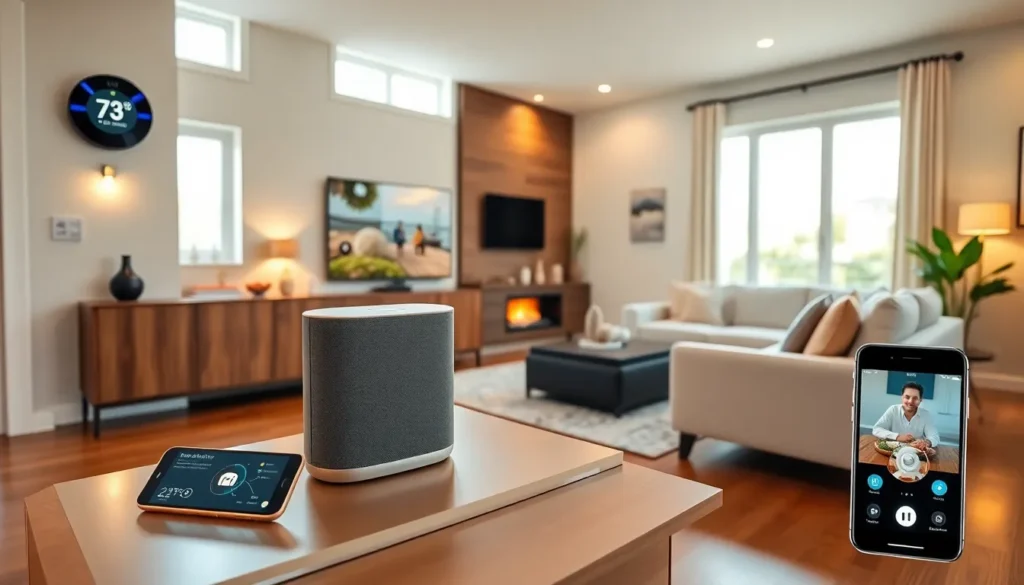
Smart home tech also integrates with smartphones and wearables. Users receive notifications about unusual activity, package deliveries, or system alerts. They can check camera feeds, adjust settings, and trigger routines from anywhere with an internet connection.
Popular Types of Smart Home Devices
The smart home tech market offers devices for nearly every room and function. Here are the most common categories that homeowners adopt first.
Smart Speakers and Voice Assistants
Smart speakers serve as the entry point for many households. Amazon Echo, Google Nest, and Apple HomePod respond to voice commands. They play music, answer questions, set timers, and control other smart devices. These speakers often become the central hub for a connected home.
Smart Lighting
Smart bulbs and switches let users control lights remotely. Philips Hue, LIFX, and Wyze offer popular options at various price points. Users can dim lights, change colors, and set schedules. Motion sensors add automation by turning lights on when someone enters a room.
Smart Thermostats
Devices like Nest, Ecobee, and Honeywell learn heating and cooling preferences. They optimize energy use based on occupancy and weather data. Many utility companies offer rebates for smart thermostat installation because these devices reduce energy consumption.
Security Cameras and Doorbells
Video doorbells from Ring, Nest, and Eufy show visitors before the door opens. Indoor and outdoor cameras monitor property around the clock. Many systems include two-way audio, motion detection, and cloud storage for recorded footage.
Smart Locks
Keyless entry systems eliminate the need for physical keys. August, Schlage, and Yale make locks that open via smartphone, keypad, or voice command. Users can create temporary codes for guests and receive alerts when doors lock or unlock.
Smart Plugs and Outlets
These affordable devices turn regular appliances into smart ones. Plug a lamp or coffee maker into a smart plug, and it becomes controllable via app or voice. Smart plugs also track energy usage for connected devices.
Benefits of a Connected Home
Smart home tech delivers advantages that extend beyond novelty. The practical benefits explain why adoption rates continue climbing.
Convenience and Time Savings
Automation handles repetitive tasks without manual input. Lights turn on at sunset. The thermostat adjusts before residents arrive home. Coffee starts brewing at 6 AM. These small conveniences add up to meaningful time savings over weeks and months.
Voice control further simplifies daily routines. Instead of walking to a switch or finding a phone, users simply speak a command. This hands-free operation proves especially useful while cooking, carrying items, or relaxing.
Energy Efficiency
Smart thermostats and lighting systems reduce energy waste. They operate only when needed and adjust based on actual conditions rather than fixed schedules. Studies show smart thermostats can cut heating and cooling costs by 10-15% annually.
Smart plugs identify energy-hungry devices and help users make informed decisions. Some systems provide detailed breakdowns of electricity usage by device or room.
Enhanced Security
Connected cameras, locks, and sensors create comprehensive security systems. Users monitor their property from anywhere and receive instant alerts about unusual activity. Smart locks eliminate concerns about lost keys or forgotten lockouts.
Integration amplifies security benefits. A motion sensor can trigger lights, start recording, and send a phone notification simultaneously. This layered approach deters intruders and provides evidence if incidents occur.
Accessibility
Smart home tech helps people with mobility challenges or disabilities. Voice control removes the need to reach switches or buttons. Automated routines reduce physical tasks. These features support independent living for elderly residents and those with limited mobility.
Key Considerations Before Getting Started
Building a smart home requires planning. Several factors influence which devices work best for specific situations.
Choose an Ecosystem
Picking a primary platform matters most. Amazon Alexa offers the widest device compatibility. Google Home excels at answering questions and integrating with Android phones. Apple HomeKit prioritizes privacy and works seamlessly with iPhones.
Sticking with one ecosystem simplifies management and ensures devices work together. Mixing platforms creates friction and limits automation options.
Evaluate Internet Requirements
Smart home tech depends on reliable Wi-Fi. Older routers may struggle with multiple connected devices. Mesh network systems solve coverage problems in larger homes.
Bandwidth matters for video devices. Each camera streaming in high definition uses significant data. Users with data caps should factor this into their planning.
Consider Privacy and Security
Connected devices collect data about daily habits. Users should understand what information manufacturers gather and how they protect it. Strong, unique passwords and two-factor authentication reduce hacking risks.
Some brands store data locally rather than in the cloud. This approach limits exposure but may reduce features. Users must decide their comfort level with data sharing.
Start Small and Expand
Beginners should avoid buying everything at once. Starting with a smart speaker and a few bulbs teaches the basics without overwhelming investment. Users can add devices as they identify specific needs and preferences.
This gradual approach also prevents compatibility headaches. Testing devices before committing to a full system saves money and frustration.