
Table of Contents
ToggleThe best smart home tech can turn an ordinary house into a connected, efficient living space. Smart devices now control everything from lighting and temperature to security and entertainment. These products save time, reduce energy costs, and add convenience to daily routines. Whether someone wants hands-free control through voice commands or automated systems that learn their habits, smart home technology delivers real benefits. This guide covers the top smart home tech categories and explains how to pick the right devices for any household.
Key Takeaways
- The best smart home tech includes smart speakers, lighting, security systems, and thermostats that work together to create a connected, efficient living space.
- Smart speakers from Amazon, Google, or Apple serve as central hubs—choose one ecosystem and build around it for the smoothest experience.
- Smart lighting is an easy entry point that saves energy, improves sleep through circadian rhythm support, and enhances home security with vacancy simulation.
- Smart thermostats like Nest and Ecobee can reduce energy bills by up to 15% while learning your household patterns automatically.
- When choosing the best smart home tech, prioritize compatibility with your voice assistant, budget, Wi-Fi network strength, and privacy settings.
- Look for devices supporting the Matter standard to future-proof your setup and avoid being locked into a single ecosystem.
Smart Speakers and Voice Assistants
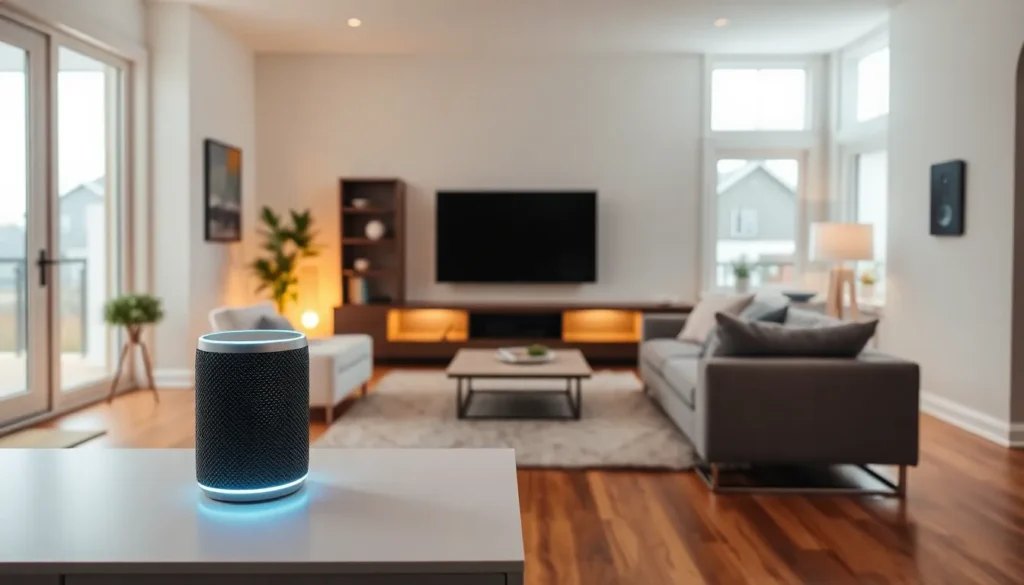
Smart speakers serve as the central hub for many smart home setups. These devices use voice assistants like Amazon Alexa, Google Assistant, or Apple Siri to control connected gadgets, answer questions, and play music.
The Amazon Echo series remains a popular choice for best smart home tech enthusiasts. Echo devices connect seamlessly with thousands of compatible products. They can dim lights, lock doors, adjust thermostats, and even order groceries, all through voice commands.
Google Nest speakers offer strong competition with their superior search capabilities. They excel at answering complex questions and integrating with Google services like Calendar and Maps. For Apple users, the HomePod mini provides tight integration with iPhones and other Apple devices.
Smart speakers also function as intercom systems. Family members can broadcast messages throughout the house or drop in on specific rooms. Some models include screens that display weather forecasts, video calls, and recipe instructions.
When selecting a smart speaker, consider the ecosystem. Picking one voice assistant and building around it creates the smoothest experience. Mixing platforms can work, but it often adds complexity.
Smart Lighting Solutions
Smart lighting represents one of the easiest entry points into smart home tech. These systems replace traditional bulbs with connected alternatives that users control through apps or voice commands.
Philips Hue leads the smart lighting market with its extensive product line. The system offers bulbs, light strips, and outdoor fixtures in various colors and white temperatures. Users can create scenes, set schedules, and sync lights with music or movies.
For budget-conscious shoppers, Wyze and LIFX provide excellent alternatives. Wyze bulbs cost a fraction of premium brands while delivering solid performance. LIFX bulbs skip the hub requirement entirely, they connect directly to Wi-Fi.
Smart lighting does more than look cool. It saves energy by automatically turning off when rooms are empty. Motion sensors detect activity and adjust brightness accordingly. Vacation modes simulate occupancy to deter potential intruders.
The best smart home tech in lighting also supports circadian rhythms. Bulbs can shift from energizing cool tones in the morning to relaxing warm hues at night. This automatic adjustment helps improve sleep quality over time.
Installation is straightforward for most smart bulbs. They screw into existing fixtures like regular bulbs. Smart switches offer another option for those who prefer keeping traditional bulbs while adding connectivity.
Smart Security Systems
Smart security systems give homeowners peace of mind through cameras, doorbells, locks, and sensors. These devices monitor properties 24/7 and send instant alerts when something seems wrong.
Video doorbells from Ring, Nest, and Arlo let residents see who’s at the door from anywhere. They record footage, detect motion, and enable two-way conversations with visitors. Delivery drivers can receive instructions even when no one’s home.
Smart locks eliminate the need for physical keys. Brands like August, Schlage, and Yale offer keypad entry, fingerprint recognition, and remote unlocking. Users can grant temporary access codes to guests, dog walkers, or repair technicians.
Indoor and outdoor cameras add another layer of protection. Many models feature night vision, person detection, and cloud storage for recorded clips. Some systems distinguish between people, vehicles, animals, and packages to reduce false alerts.
Professional monitoring services are available through companies like SimpliSafe and ADT. These services contact emergency responders when alarms trigger. DIY options work well for those who prefer self-monitoring through smartphone notifications.
The best smart home tech for security integrates with other devices. When a door sensor detects entry, lights can turn on automatically. Cameras can start recording when motion sensors activate. This coordination creates a comprehensive security network.
Smart Thermostats and Climate Control
Smart thermostats rank among the most practical smart home tech investments. They learn household patterns and adjust temperatures automatically to maximize comfort and minimize energy bills.
The Nest Learning Thermostat pioneered this category. It tracks when residents are home, sleeping, or away. After about a week, it creates a schedule based on observed preferences. The device claims to save users up to 15% on cooling costs and 12% on heating.
Ecobee thermostats include remote sensors that monitor temperatures in different rooms. This feature solves the common problem of hot or cold spots throughout a house. The system balances temperatures more effectively than single-point measurement.
Honeywell and Emerson also produce quality smart thermostats at various price points. Entry-level models offer basic scheduling and remote control. Premium versions add learning capabilities, humidity sensors, and air quality monitoring.
Smart thermostats connect with other devices for enhanced automation. They can detect when smart locks indicate everyone has left and switch to away mode. Integration with weather services allows preemptive adjustments before temperature swings hit.
Most utility companies offer rebates for smart thermostat installation. These incentives can offset a significant portion of the purchase price. The energy savings typically pay for the device within one to two years.
How to Choose the Right Smart Home Devices
Selecting the best smart home tech requires careful consideration of several factors. Compatibility stands as the first priority. Devices should work with the chosen voice assistant and integrate with existing products.
Budget plays a significant role in decision-making. Premium brands offer polished experiences and reliable performance. But, affordable alternatives often deliver 80% of the functionality at 40% of the cost. Starting small and expanding gradually helps manage expenses.
Wi-Fi network strength affects smart home performance. Too many connected devices can overwhelm older routers. Mesh network systems from Eero, Google, or TP-Link solve this problem by extending coverage throughout the house.
Privacy concerns deserve attention. Smart devices collect data about daily habits and home activities. Reading privacy policies and adjusting settings helps protect personal information. Some users prefer local processing over cloud-based systems for sensitive applications.
Ease of installation varies widely among products. Some smart home tech requires professional setup while others take minutes to configure. Reviews and video tutorials provide realistic expectations before purchase.
Future-proofing matters too. The Matter smart home standard promises better cross-platform compatibility. Devices supporting Matter should work together regardless of manufacturer, reducing lock-in to specific ecosystems.