Table of Contents
ToggleIndoor air quality isn’t just about comfort, it’s about health. If you’re tired of dust, allergens, and stale air circulating through your home, an air purifier can make a measurable difference. Aerus air purifiers stand apart from the crowded market with their proprietary ActivePure technology, which doesn’t just trap particles but actively works to reduce contaminants in the air and on surfaces. This guide walks through what sets Aerus apart, how to choose the right model for your space, and how to install and maintain it for peak performance.
Key Takeaways
- Aerus air purifiers use patented ActivePure technology—NASA-derived and Space Foundation-certified—to actively neutralize contaminants on both surfaces and in the air, going beyond traditional passive HEPA filtration.
- Portable Aerus units start at $500–$700, while whole-home HVAC-integrated systems run $1,200–$2,000+ installed; choose based on room size (800 sq. ft. for portable units, 3,000+ sq. ft. for whole-home coverage).
- Most homeowners notice measurable improvements like reduced dust and odor within 3–7 days of continuous operation; replace HEPA and carbon filters every 6–12 months depending on air quality and usage.
- Proper placement of an Aerus air purifier is critical—position it centrally with 12–18 inches of clearance on all sides and away from furniture and walls to maintain 30% or more effectiveness.
- Aerus air purifiers excel at addressing allergens, pet odors, and smoke but won’t resolve underlying moisture, mold sources, or poor HVAC circulation; address root causes alongside purification for best results.
What Makes Aerus Air Purifiers Different?
Most air purifiers rely on passive filtration, air passes through a HEPA filter, particles get trapped, and cleaner air comes out the other side. Aerus takes a different approach.
Instead of waiting for air to cycle through the unit, Aerus systems use ActivePure technology to send purifying molecules into the room. These molecules actively seek out and neutralize contaminants on surfaces and in the air, including bacteria, viruses, mold, and odors. It’s a proactive system, not just reactive.
This means you’re not solely dependent on air circulation. Even in corners of a room where airflow is weak, ActivePure molecules can reach and reduce pollutants. That’s a significant advantage in larger spaces or homes with poor HVAC circulation.
Aerus units are also NASA-derived technology, originally developed for use on the International Space Station. That’s not marketing fluff, it’s third-party tested and certified by the Space Foundation. For homeowners serious about air quality, that pedigree matters.
Another differentiator: Aerus purifiers don’t just target airborne particles. They work on high-touch surfaces like countertops, doorknobs, and light switches, reducing surface contamination between manual cleanings. If you have kids, pets, or anyone with respiratory sensitivities, that’s a practical, measurable benefit.
Key Features and Technology Behind Aerus Air Purifiers
Aerus air purifiers pack a range of features depending on the model, but the core technology remains consistent across the lineup.
Standard features include:
- Multi-stage filtration: Pre-filter, HEPA filter (captures 99.97% of particles down to 0.3 microns), and activated carbon filter for odors and VOCs.
- Adjustable fan speeds: Typically three to five settings, including a quiet sleep mode.
- Coverage area: Models range from small bedroom units (up to 800 sq. ft.) to whole-home systems (3,000+ sq. ft.).
- Low maintenance alerts: Filter replacement indicators and easy-access filter bays.
- Energy efficiency: Most models are Energy Star rated and use less power than a standard lightbulb.
Some higher-end models include Wi-Fi connectivity, allowing remote control via smartphone app, scheduling, and air quality monitoring in real time. If you’re running a smart home setup, this integrates cleanly with routines and automation.
ActivePure Technology Explained
ActivePure is the headline feature, and it’s worth understanding how it works.
The system uses a proprietary catalytic process that converts water vapor and oxygen in the air into powerful oxidizers, specifically hydroxyls and superoxide ions. These molecules are released into the room, where they break down contaminants at the molecular level.
Unlike ozone generators (which the EPA warns against for home use), ActivePure operates at safe, non-detectable ozone levels. It’s been tested and certified safe for occupied spaces, including homes with children and pets.
In independent lab testing, ActivePure has been shown to reduce airborne and surface contaminants by over 99% within hours. This includes viruses like H1N1 and bacteria such as E. coli and Staph aureus. For homeowners dealing with mold, pet dander, or seasonal allergens, that’s a tangible performance edge.
One thing to note: ActivePure technology is exclusive to Aerus. You won’t find it in off-the-shelf brands at big-box stores. That exclusivity comes with a higher price tag, but for many homeowners, the performance justifies the cost.
Choosing the Right Aerus Air Purifier for Your Home
Aerus offers several models, and picking the right one comes down to room size, usage, and specific air quality concerns.
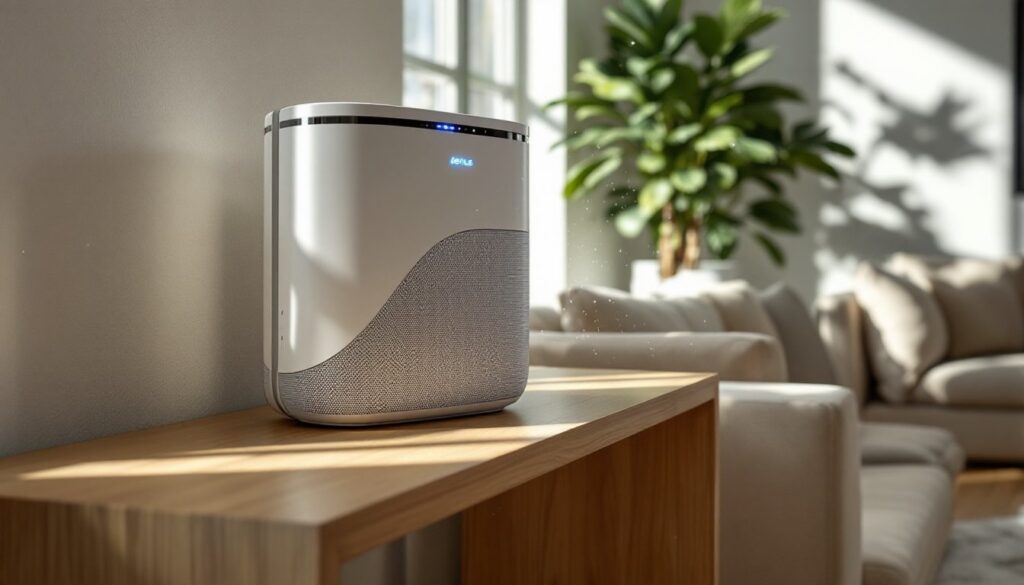
For small to medium rooms (up to 800 sq. ft.): The Air Scrubber Mini or portable tabletop units work well for bedrooms, home offices, or nurseries. These are plug-and-play, require no installation, and can be moved between rooms as needed.
For larger living spaces (800–1,500 sq. ft.): Consider the Beyond by Aerus Guardian Air or standalone tower models. These units offer higher airflow (measured in CFM, cubic feet per minute) and are better suited for open-concept living areas, basements, or finished attics.
For whole-home coverage (3,000+ sq. ft.): The Aerus Air Scrubber Plus integrates directly into your HVAC system. This isn’t a portable unit, it’s installed in the ductwork and purifies air as it circulates through your home. You’ll need a contractor for installation, and it may require a dedicated 110V outlet near your furnace or air handler. Check your local electrical code (NEC Article 210 for branch circuits) and HVAC clearances before purchasing.
If you’re dealing with specific issues, smoke, pet odors, or mold, prioritize models with activated carbon filters and higher CADR ratings (Clean Air Delivery Rate). A CADR of 200+ is solid for smoke and pollen: 300+ is ideal for larger rooms or multi-pet households.
Budget matters, too. Portable units start around $500–$700, while whole-home systems can run $1,200–$2,000+ installed. Factor in ongoing costs: replacement filters range from $50–$150 annually depending on the model and usage.
Many smart home enthusiasts appreciate models with app integration and air quality sensors, which are covered extensively in home automation reviews for those comparing connected devices.
Installation and Placement Tips for Maximum Effectiveness
Portable Aerus units are plug-and-play, but placement still matters. Poor positioning can cut effectiveness by 30% or more.
Follow these placement guidelines:
- Center the unit in the room when possible, or place it where airflow is unobstructed. Avoid corners, behind furniture, or tight against walls.
- Keep at least 12–18 inches of clearance on all sides for proper air intake and exhaust.
- Position at mid-height if using a tabletop model, don’t set it on the floor where dust and pet hair accumulate, and don’t place it too high where it only treats ceiling air.
- Avoid direct sunlight or heat sources (radiators, vents), which can affect sensor accuracy and plastic housings.
- Run the unit continuously on low or auto mode rather than cycling it on and off. Air purifiers work best with consistent operation.
For whole-home HVAC integration (Air Scrubber Plus), installation is more involved:
- Hire a licensed HVAC contractor. This isn’t a DIY job unless you’re experienced with ductwork and electrical.
- The unit mounts inside the supply plenum or main trunk line, typically near the air handler or furnace.
- It requires a dedicated 110V power source. Some jurisdictions require a permit for new electrical runs: check with your local building department.
- The contractor will cut an access panel in the ductwork, mount the unit with sheet metal screws, and seal all edges with foil-faced HVAC tape (not cloth duct tape, which degrades).
- Expect 2–3 hours of labor for a straightforward install, longer if ductwork modifications are needed.
Once installed, the HVAC system does the heavy lifting, air circulates through the purifier every time your heating or cooling runs. For homes with poor natural airflow, this is the most effective solution.
If you’re comparing different smart home tech options, consider whether you want standalone portability or integrated whole-home coverage before committing.
Maintenance and Care: Keeping Your Aerus Running Smoothly
Aerus air purifiers are low-maintenance, but skipping care will hurt performance and shorten the unit’s lifespan.
Monthly tasks:
- Vacuum or rinse the pre-filter. This washable mesh filter catches large particles (hair, dust, lint). A clogged pre-filter reduces airflow and forces the HEPA filter to work harder.
- Wipe down the exterior and air vents with a damp microfiber cloth. Dust buildup on intake grilles restricts airflow.
Every 6–12 months:
- Replace the HEPA and carbon filters. Most Aerus models have a filter replacement indicator light. Don’t ignore it, a saturated HEPA filter loses efficiency and can release trapped particles back into the air.
- Filter lifespan depends on usage and air quality. Homes with pets, smokers, or high dust (rural areas, construction nearby) may need replacements every 6 months. Cleaner environments can stretch to 12 months.
- Replacement filters are model-specific. Order directly from Aerus or authorized dealers to ensure proper fit and performance. Generic “compatible” filters often lack the same specs.
Annually:
- Inspect the ActivePure cell (if your model has a replaceable cell). Some units have a honeycomb catalyst that should be cleaned or replaced per manufacturer instructions, typically every 1–2 years.
- For HVAC-integrated systems, have your contractor inspect the unit during your annual furnace or AC service. They’ll check electrical connections, mounting hardware, and ductwork seals.
Safety note: Always unplug portable units before performing any maintenance. For HVAC systems, turn off the breaker to the air handler or furnace. Working around live electrical in tight ductwork spaces is a serious shock hazard.
Keep a maintenance log, date of install, filter changes, and any service performed. This helps track costs and ensures you’re not running the unit on expired filters.
Real-World Performance: What Homeowners Should Expect
Aerus air purifiers deliver measurable improvements in air quality, but expectations should stay realistic.
You’ll likely notice:
- Reduced dust accumulation on surfaces within the first week or two. Homeowners report less frequent dusting, especially on blinds, ceiling fans, and electronics.
- Odor reduction from pets, cooking, or musty basements. The activated carbon filter handles VOCs and organic odors effectively.
- Fewer allergy symptoms during high-pollen seasons. HEPA filtration captures common allergens like pollen, mold spores, and dust mites.
- Clearer air in homes with smokers or fireplace use. Visible improvement in air clarity and reduction in lingering smoke smell.
What air purifiers won’t fix:
- Underlying moisture or mold problems. If you have active mold growth from a leak or high humidity, fix the source first. An air purifier treats symptoms, not causes.
- Poor ventilation or HVAC issues. If your home has inadequate fresh air exchange or ductwork leaks, address those alongside air purification.
- Chemical off-gassing from new furniture or flooring. Air purifiers help, but proper ventilation (open windows, exhaust fans) is more effective during the initial off-gassing period.
Performance testing by independent reviewers and labs shows Aerus units perform well compared to competitors in the same price range, with ActivePure technology offering a unique advantage for surface contamination. Several product reviews have highlighted the long-term effectiveness of the ActivePure system in real-world home environments.
One common question: how long until you feel a difference? Most homeowners report noticeable improvements within 3–7 days of continuous operation. For severe issues (heavy smoke damage, mold remediation), allow 2–3 weeks and combine the purifier with other air quality steps (duct cleaning, source removal, humidity control).
Aerus offers a satisfaction guarantee on many models, typically 30–60 days. If you don’t see improvement, that’s your window to return the unit. Keep all packaging and documentation until you’re confident it’s working as expected.
Bottom line: Aerus air purifiers are a solid investment for homeowners serious about indoor air quality. They’re not the cheapest option, but the combination of HEPA filtration and ActivePure technology delivers performance you can measure, and more importantly, feel.