Table of Contents
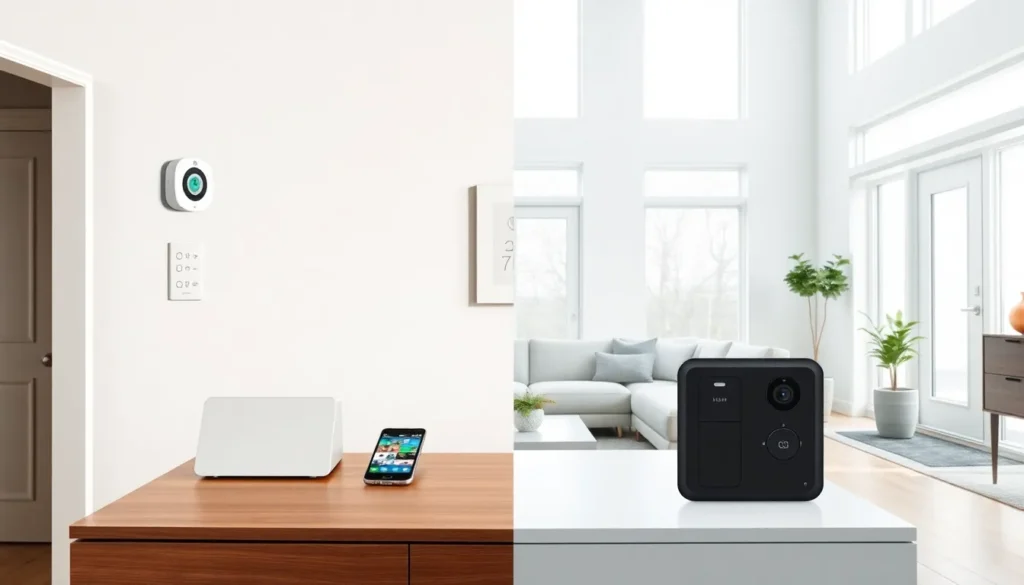
ToggleSmart home tech vs traditional home systems represents one of the most practical decisions homeowners face today. Both options offer distinct advantages, and the right choice depends on individual priorities, budget, and lifestyle. Smart home technology automates lighting, climate control, security, and entertainment through connected devices. Traditional home systems rely on manual controls and standalone equipment that have worked reliably for decades. This guide breaks down the key differences, costs, and benefits so homeowners can make an well-informed choice about which approach fits their needs.
Key Takeaways
- Smart home tech offers automation, remote access, and energy savings of 10-15% through devices like smart thermostats.
- Traditional home systems provide simplicity, reliability without internet dependency, and zero privacy concerns.
- Upfront costs for smart home tech are higher, but energy savings can offset the investment within 1-3 years.
- Smart home technology enhances security with real-time video doorbells, smart locks, and instant motion alerts.
- A hybrid approach combining smart home tech for key areas with traditional controls elsewhere works well for many households.
- Your tech comfort level, budget, and internet reliability should guide the choice between smart and traditional systems.
What Makes Smart Home Technology Different
Smart home tech operates through interconnected devices that communicate via Wi-Fi, Bluetooth, or dedicated hubs. A homeowner can control thermostats, door locks, cameras, and appliances from a single smartphone app or voice assistant. This connectivity creates a unified ecosystem where devices work together automatically.
Traditional home systems function independently. A thermostat adjusts temperature based on its own schedule. Light switches require physical interaction. Security systems operate separately from other household equipment. Each component does its job without coordinating with anything else.
The core difference lies in automation and remote access. Smart home tech allows users to adjust settings from anywhere with an internet connection. They can turn off lights left on accidentally, check security cameras while traveling, or preheat the oven before arriving home. Traditional systems require presence, someone must physically interact with each device.
Smart home technology also learns user preferences over time. Many smart thermostats track behavior patterns and adjust heating or cooling schedules automatically. Motion sensors can trigger lighting based on occupancy. This adaptive capability sets smart home tech apart from static traditional controls.
Advantages of Smart Home Systems
Energy efficiency ranks among the top benefits of smart home tech. Smart thermostats from brands like Nest or Ecobee can reduce heating and cooling costs by 10-15% annually. They adjust temperatures based on occupancy and weather forecasts rather than running on fixed schedules.
Convenience drives much of the appeal. Voice commands through Alexa, Google Assistant, or Siri eliminate the need to walk across rooms to flip switches or adjust settings. Routines can automate morning lighting, evening lock-ups, and entertainment system startup with a single phrase.
Security receives a significant upgrade with smart home tech. Video doorbells show visitors in real-time. Smart locks allow temporary access codes for guests or service workers. Motion-activated cameras send instant alerts to smartphones when they detect activity. Homeowners gain visibility and control that traditional alarm systems simply cannot match.
Integration possibilities keep expanding. Smart home tech connects with everything from robotic vacuums to sprinkler systems. As more devices join a home network, automation becomes more powerful. A single “leaving home” command can lock doors, arm security, adjust the thermostat, and turn off all lights simultaneously.
Benefits of Traditional Home Systems
Simplicity remains the strongest argument for traditional home systems. Light switches work without apps, internet connections, or software updates. Thermostats function during power outages if they use batteries. There’s no learning curve, anyone can operate traditional controls immediately.
Reliability deserves consideration. Traditional systems don’t depend on Wi-Fi stability or cloud servers. A smart lock becomes useless during an internet outage unless it has a physical key backup. Traditional deadbolts work every time, regardless of network status.
Privacy concerns don’t apply to traditional equipment. Smart home tech collects data about daily routines, voice commands, and home activity. Traditional systems generate no data trail. For homeowners uncomfortable with connected devices, traditional options eliminate those worries entirely.
Maintenance requirements favor traditional systems. A standard thermostat might last 15-20 years without attention. Smart devices require firmware updates, battery replacements for sensors, and occasional troubleshooting when connectivity fails. Traditional equipment rarely needs anything beyond basic repairs.
Cost Comparison and Long-Term Value
Upfront costs for smart home tech run higher than traditional alternatives. A smart thermostat costs $100-$250 compared to $20-$50 for a basic programmable model. Smart locks range from $150-$400, while traditional deadbolts cost $30-$100. Video doorbells add $100-$300 to a home’s entry point.
Installation expenses vary significantly. Many smart home devices install easily as DIY projects. Others require professional setup, especially whole-home systems. Traditional equipment typically uses straightforward installation that most homeowners can handle.
Operating costs favor smart home tech over time. Energy savings from smart thermostats and lighting can offset higher purchase prices within 1-3 years. Some smart home devices require monthly subscriptions for full functionality, video storage for security cameras often costs $3-$10 per month per device.
Resale value increasingly favors homes with smart home tech. Buyers expect connected features, and listings often highlight smart thermostats, security systems, and automated lighting. Traditional systems don’t hurt home value, but they don’t add the same appeal to tech-savvy buyers.
Long-term value depends on how actively homeowners use smart features. Someone who fully utilizes automation and energy management will see strong returns. Someone who just wants lights and heat will find traditional systems perfectly adequate at lower cost.
Choosing the Best Option for Your Lifestyle
Tech comfort level matters most in this decision. Homeowners who enjoy gadgets and apps will appreciate smart home tech’s possibilities. Those who prefer simplicity and minimal screen time may find traditional systems less frustrating.
Home ownership plans affect the calculation. Renters often face restrictions on permanent installations, making portable smart devices more practical. Homeowners planning to stay long-term can invest in integrated smart home systems that pay off over years of use.
Budget constraints guide initial choices. Starting with one or two smart devices, perhaps a thermostat and video doorbell, lets homeowners test the technology without major investment. Traditional systems make sense when upfront savings take priority.
Internet reliability influences smart home tech viability. Rural areas with spotty connectivity may struggle with cloud-dependent devices. Urban and suburban homes with stable broadband can take full advantage of smart features.
A hybrid approach works for many households. Smart thermostats and security cameras deliver clear benefits. Traditional light switches and manual locks may serve just fine in less critical areas. Mixing both systems lets homeowners enjoy smart convenience where it matters most while keeping familiar controls elsewhere.